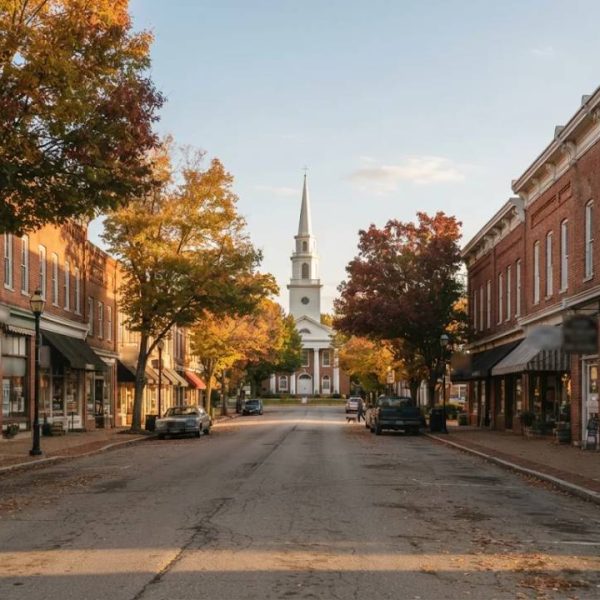
The most memorable places in America are often not the biggest. Small towns hide diners with famous pie, wooden bridges, old railway stations, quiet main streets and neighbors who still wave from their porches. Exploring them takes time and curiosity, but the reward is a trip full of stories. This article offers practical advice for visiting small towns across the United States, from planning routes to meeting locals, with notes for travelers and newcomers who arrive from other countries.
Why Small Towns Are Worth the Detour
Small towns give you space, calm and conversation. Prices are lower, parking is easy and people have time to talk. Many have local museums, festivals and food you will not find in big cities.
The best travel stories usually begin a few miles off the main highway.
Plan a Route With Room to Wander
Choose a theme such as old mining towns, lake villages, mountain communities or historic railroad stops. Mark main stops, but leave empty hours for surprises. Use paper maps or offline maps, because signal can disappear in rural areas.
A flexible route turns a drive into an adventure.
Look for Local History
Many towns preserve old courthouses, mills and homes. The National Park Service supports preservation and offers information about historic districts and landmarks. Ask at the local library or museum for walking tours and stories.
History gives a small place its voice.
Eat Where Locals Eat
Family diners, bakeries, farm stands and church suppers offer honest food at fair prices. Ask what the town is known for and try it. Morning coffee at a local counter often leads to the best recommendations.
Local food is a shortcut to local culture.
Stay in Small Places
Bed and breakfasts, family motels and small inns provide personal service. Book ahead during festivals and holiday weekends, since rooms are limited. Ask hosts about hidden trails and viewpoints.
A friendly host is a free travel guide.
Enjoy Outdoor Activities
Walking trails, rivers, lakes and quiet roads are perfect for hiking, fishing and cycling. Check weather, carry water and tell someone your plan. Respect private land and follow posted rules.
Nature is often just minutes from the main street.
Respect the Community
Visitors should drive carefully, buy from local shops, leave places clean and ask before taking photos of people. Small communities depend on trust, and polite visitors are warmly welcomed.
Good manners keep towns open to travelers.
Travelers From Other Countries
Visitors from abroad can find small towns easier with some preparation. Learn about tipping, driving rules, distances and health insurance. If you speak Serbian or another language, professional serbian translation services can help with official forms, rental papers and insurance documents before you travel.
Clear paperwork avoids surprises on the road.
Moving to a Small Town
Some travelers fall in love with a place and decide to stay. Moving requires documents such as diplomas, birth certificates and employment letters, and often certified translations. Our article on relocation paperwork translation explains how to prepare papers for official applications.
Careful preparation makes a move less stressful.
Festivals and Seasonal Events
County fairs, harvest festivals, parades and music nights fill local calendars. Check community websites and bulletin boards for dates. Arrive early, bring cash for small vendors and join the activities.
Festivals show the heart of a town.
Shop for Local Crafts
Artisans sell pottery, quilts, wooden furniture and food products. Buying directly supports families and gives you something authentic to remember the trip. Ask about the story behind each item.
A handmade souvenir carries a real memory.
Photography Tips
Early and late light makes old buildings glow. Capture details such as signs, doors and tools, and ask permission before photographing people. Keep a notebook for names and stories to match your photos later.
Photos and notes together make a lasting record.
Safety on Rural Roads
Drive slowly on narrow roads, watch for animals, keep fuel above a quarter tank and carry a basic emergency kit. Cell service may be weak, so share your route with someone.
Preparation keeps adventure enjoyable.
Slow Travel Benefits
Staying several days in one area lets you notice rhythms, meet people and explore nearby trails. You spend less on fuel and feel less rushed. Many travelers say slow trips become their favorites.
Slower often means richer.
A Sample Weekend Plan
Arrive Friday evening, walk the main street, eat at a local diner, spend Saturday on a trail and visit the museum in the afternoon, then enjoy a community event at night. Sunday morning, browse a farmers market before driving home.
A simple plan leaves room for conversations.
Budget Tips for Road Trips
Small town travel is usually affordable. Set a daily budget for lodging, food, fuel and activities, and keep a small reserve for surprises. Look for free events, public parks and community concerts. Picnic lunches save money and give you a chance to enjoy scenery.
A simple budget keeps the trip relaxed.
Traveling With Family
Small towns are great for children because of open spaces, playgrounds and friendly shop owners. Plan short drives, regular breaks and activities such as ice cream stops, train rides and farm visits. Let children choose one stop each day.
Shared choices make family trips more fun.
Keep a Travel Journal
Write down names, places, flavors and short conversations. Add ticket stubs and small drawings. A journal turns a trip into a story that you can read years later and share with friends.
Memories last longer when they are written down.
Support Small Town Economies
Visit locally owned shops, pay for guided tours, tip fairly and leave honest reviews. Even small purchases matter in places with few businesses. Share your discoveries respectfully so towns benefit without being overwhelmed.
Thoughtful travelers help towns thrive.