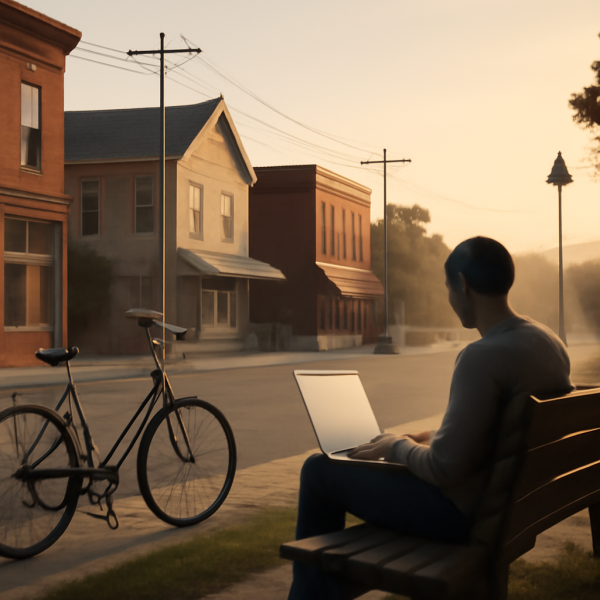
Choosing the right place to live as a remote worker can completely transform your productivity, work-life balance, and long-term financial health. While big cities often grab the spotlight, many professionals are quietly relocating to smaller towns that offer lower costs, slower pace, and surprising access to modern amenities. With reliable internet now available across much of the country, these small communities are becoming ideal bases for remote careers, side projects, and entrepreneurial ventures.
Why Small Towns Are Perfect for Remote Professionals
Remote work has unlocked the freedom to live where your lifestyle, not your office address, comes first. Small towns offer significant advantages: more space for home offices, reduced living expenses, walkable neighborhoods, and tight-knit communities that support both personal and professional growth. Instead of battling traffic, high rents, and noise, remote workers can enjoy quiet streets, easy access to nature, and more time to focus on deep work.
At the same time, building a successful remote career or online business goes beyond choosing a great location. Workers and founders who rely on digital visibility must invest in a strong online presence. Strategic content, technical performance, and authoritative backlinks are key to ranking in search results and reaching high-value clients or customers. That is where specialized partners like link building services can help remote professionals and distributed companies increase credibility and organic growth without sacrificing their flexible lifestyle.
Below are some of the most appealing small towns that blend reliable infrastructure, vibrant communities, and inspiring surroundings. Each offers something slightly different, whether you are a solo freelancer, a remote employee, or a founder building a fully distributed team.
1. Bend, Oregon
Bend has evolved from a quiet mountain town to a thriving hub for remote workers, creatives, and outdoor enthusiasts. With high-speed internet widely available, it attracts tech professionals, designers, and startup founders seeking a healthy balance of productive workdays and active weekends.
The cost of living is higher than many small towns, but still lower than major coastal cities. In return, you gain quick access to trails, skiing, rivers, and an energetic local food and craft beer scene. Coworking spaces and coffee shops are plentiful, making it easy to network, collaborate, or simply change your work setting.
2. Asheville, North Carolina
Asheville blends artsy, entrepreneurial energy with a laid-back mountain lifestyle. Remote professionals are drawn to its historic architecture, live music, and proximity to the Blue Ridge Mountains. The town supports a strong community of independent workers, creatives, and wellness-focused residents.
Several coworking spaces and cafes cater to professionals who prefer a flexible workspace. The cost of living is moderate, and the town’s walkability makes daily life convenient. For remote workers who value culture, creativity, and access to hiking trails, Asheville is an appealing long-term home base.
3. Boise, Idaho
Boise offers the amenities of a small city with the charm and affordability of a town. It has become a rising favorite for remote workers thanks to its reliable infrastructure, clean environment, and friendly community. The downtown area features modern apartments, coworking spaces, and a growing number of tech-driven businesses.
The Boise River Greenbelt, nearby foothills, and extensive bike paths make it easy to stay active between meetings. With a lower cost of living than many west coast hubs, Boise allows remote professionals to stretch their income while maintaining access to a thriving, innovation-minded community.
4. Missoula, Montana
Missoula is ideal for remote workers looking for a slower pace and close connection to nature without sacrificing connectivity. Internet speeds are sufficient for video conferencing, large file transfers, and modern remote workflows, and the University of Montana helps sustain an engaged, educated population.
Local cafes double as unofficial offices for freelancers, writers, and tech workers. Housing remains more affordable than many urban centers, and outdoor recreation is within easy reach in every direction. This balance of affordability, scenery, and community makes Missoula especially appealing to remote professionals seeking long-term stability.
5. Greenville, South Carolina
Greenville has gained recognition for its revitalized downtown, walkable Main Street, and growing economy. Remote workers appreciate the blend of historic charm and modern infrastructure, along with relatively low living costs compared to larger southern cities. Classic media theory still informs how we understand today’s social platforms.
High-speed internet, coworking options, and a diverse restaurant scene make it easy to maintain a city-like routine without the congestion or pricing. With the Blue Ridge Mountains a short drive away and a mild climate, Greenville suits remote professionals who value both outdoor access and urban conveniences.
6. Flagstaff, Arizona
Flagstaff stands out for its high elevation climate, pine forests, and proximity to destinations like the Grand Canyon and Sedona. For remote workers who prefer cooler weather and dramatic landscapes, this town offers a distinctly different desert experience.
The presence of Northern Arizona University adds youthful energy, events, and resources. Internet infrastructure supports modern remote work needs, and the town’s compact footprint means you are never far from a cafe, trailhead, or local brewery. It is a compelling choice for remote professionals who recharge best outdoors.
Small towns courting remote workers are effectively running brand campaigns without ever calling them that. Their success turns on the same fundamentals as any modern digital branding effort: a clear audience, a consistent identity and something specific to promise. Places that skip those steps stay on nobody’s shortlist.
7. Burlington, Vermont
Burlington combines New England charm with a progressive, sustainability-focused mindset. Remote workers find a supportive environment, especially those in tech, education, and creative industries. The town offers stable connectivity, a range of local businesses, and access to Lake Champlain for year-round recreation.
Though housing costs can be higher than some other small towns, the quality of life, safety, and strong sense of community often justify the investment. For remote workers who appreciate four distinct seasons, independent shops, and a focus on local food, Burlington is a standout choice.
8. Fayetteville, Arkansas
Fayetteville has quietly emerged as a remote worker destination, driven by its low cost of living, university presence, and expanding tech scene. The city offers a network of bike trails, green spaces, and cultural events, giving residents plenty to do outside of work hours.
Modern amenities, strong internet access, and coworking locations help remote workers stay productive. At the same time, housing remains comparatively affordable, making it easier to upgrade your home office or invest in property. For professionals seeking value and growth potential, Fayetteville is increasingly attractive.
9. Taos, New Mexico
Taos appeals to remote workers drawn to art, culture, and distinctive landscapes. Known for its adobe architecture and creative community, the town cultivates a unique atmosphere that encourages reflection and originality, making it especially attractive to writers, designers, and independent makers.
While more rural than some other locations, Taos offers sufficient connectivity for many online professions, especially those not dependent on constant video calls. The slower pace, clear skies, and strong artistic identity create an environment where remote workers can focus deeply and find fresh inspiration.
10. Traverse City, Michigan
Traverse City, located on the shores of Lake Michigan, offers a resort-like feel with year-round appeal. Remote workers enjoy scenic views, vineyards, and beaches, while still having access to reliable internet, coworking options, and a surprisingly dynamic local business community.
Summers are especially vibrant, but the town also supports a stable year-round population that includes entrepreneurs, consultants, and remote employees across multiple industries. For those who want a small-town setting with a strong tourism economy and abundant natural beauty, Traverse City delivers a compelling package.
Align Your Location with Your Long-Term Goals
Relocating to a small town can dramatically improve your daily life as a remote worker. Lower housing costs, short commutes, and easy access to nature all support better focus, deeper rest, and more consistent output. The towns above represent just a sample of places where reliable infrastructure and community-oriented living intersect.
As you evaluate potential destinations, consider more than scenery. Assess internet reliability, access to coworking spaces, local networking opportunities, and cost of living. At the same time, remember that your professional visibility now depends on your digital footprint more than your physical location. By pairing a thoughtfully chosen town with a deliberate online strategy, you can enjoy the best of both worlds: a lifestyle that supports your well-being and a career that continues to grow, no matter where you choose to live.